10 myths of Saaremaa
Saaremaa waltz
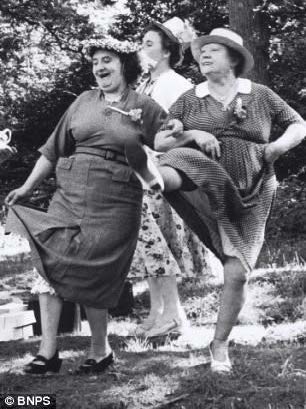
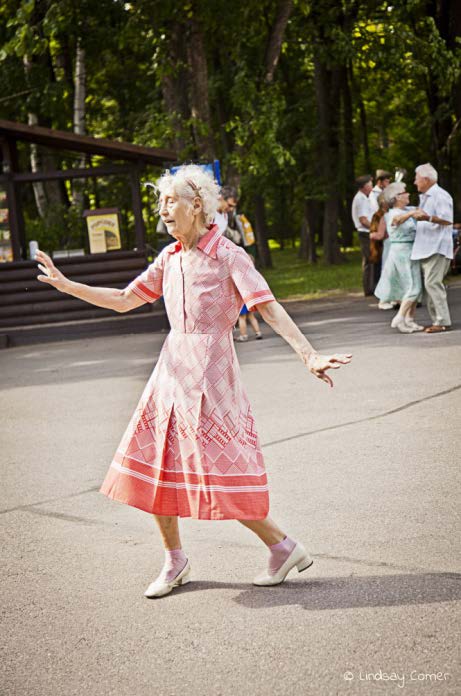
Everybody knows ‘Saaremaa waltz’, the song composed by Raimond Valgre for the 1948 Eurovision song contest. Alas, the success and victory did not follow as such song contest was invented only eight years later. The lyrics are from a longer poem by Debora Vaarandi and they describe the everyday life in Saaremaa in the early days of the Soviet occupation. Notably, the stubborn islanders had decided to protest the Soviet power by running all their errands while simultaneously dancing. So, they danced to the work and to the shops, also to the restrooms and etc They even worked while dancing, usually in the rhythm of waltz. Always, one-two-three and two-two-three… Soviet forces obviously understood that through this song Valgre and Vaarandi were trying to glorify the resistance to the current power. The authors were being influenced to compose a chastushka instead, but Georg Ots put his foot down and said that waltz it will be. As Ots was a recognised singer in the Soviet Union, nobody dared to argue with him. Unexpectedly, the song became most popular not in Estonia, nor in Soviet Union, but in Finland. This proves that Valgre was right to set his eyes towards Europe. Currently, very substantial discussions are being held whether or not should ‘Saaremaa Waltz’ become the new joint anthem of Estonia and Finland, because, clearly, the current anthems ‘Maamme’ and ‘Mu isamaa, mu õnn ja rõõm’ are outdated.
Warning:
A possibility to go and catch a flaxen-haired maiden is offered to many tourists with the passion to hunt. But those who purchase the outrageously priced permit find themselves always empty-handed. This business model is a hoax as those nights are so light and so very short that flaxen-haired maiden can never be caught.